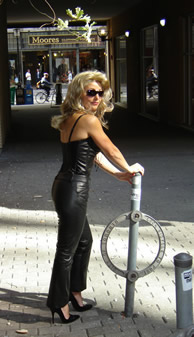
The Psychology of Fetish Fashion: Why Certain Styles Fascinate Us
Why can a pair of high heels, a fitted leather jacket or a beautifully tailored outfit attract more attention than an expensive designer dress? The answer is not always about how much skin is visible. Sometimes, it is the suggestion of something unusual, the confidence of the person wearing it or the associations we have developed with a particular style.
Fetish fashion has always played with these ideas. It brings together clothing, imagination, personal identity and attraction. What one person sees as an exciting fashion statement, another may associate with mystery, confidence or a private fantasy.
This fascination can extend beyond clothing into personal experiences. Some people explore their preferences through fashion, photography or nightlife, while others are curious about fetish escorts, where personal attraction, communication and individual boundaries become part of the experience. The common thread is curiosity about what makes certain details feel so powerful.
Why Certain Materials Create Such Strong Impressions
Leather, latex, silk and lace are very different materials, yet each has a distinctive place in fetish fashion.
Leather often suggests strength and confidence. Its structure, weight and unmistakable appearance can make even a simple outfit feel bold.
Latex creates a completely different effect. Its smooth, reflective surface follows the shape of the body and catches light in ways that ordinary fabrics do not. It can look futuristic, theatrical or surprisingly elegant, depending on how it is styled.
Silk and satin tend to suggest softness and luxury. Lace introduces texture and detail, sometimes revealing less than expected while still creating a strong visual impression.
These associations are not universal. Personal memories, cultural influences and individual taste all shape how we respond to clothing. The interesting part is that the material itself does not have to change. Two people can look at the same outfit and experience entirely different reactions.
The Power of High Heels and Body Language
High heels are one of the clearest examples of how fashion can change the way someone is perceived.
They alter posture, influence walking movements and often encourage the wearer to become more aware of their body. A pair of elegant stilettos may create an impression of sophistication, while dramatic platform boots can communicate rebellion or theatrical confidence.
But the shoes alone are not responsible for the effect.
Imagine two people wearing exactly the same pair of heels. One walks comfortably, makes eye contact and seems completely at ease. The other looks distracted and uncomfortable. The visual impression will probably be different, even though the shoes are identical.
This is why confidence matters so much in fetish fashion. Clothing may attract the first glance, but posture, movement and personality often determine the lasting impression.
Why Mystery Can Be More Interesting Than Revealing Everything
An outfit does not have to be revealing to be provocative.
A long leather coat, fitted gloves or a pair of thigh-high boots can create a memorable look without showing much skin. The fascination comes partly from what the clothing suggests rather than what it displays.
This is closely connected to imagination. When an outfit leaves certain details unexplained, the observer fills in the gaps with personal associations.
Fashion designers have used this principle for decades. Dramatic silhouettes, unusual textures and unexpected combinations invite people to look twice.
Fetish-inspired fashion takes that idea further by deliberately playing with contrasts: elegance and rebellion, softness and structure, restraint and extravagance.
How Fetish Fashion Entered Everyday Style
Many details that once belonged mainly to underground fashion scenes are now familiar on mainstream runways.
Leather trousers, corset-inspired tops, harness details, platform boots and glossy fabrics regularly appear in designer collections and streetwear.
The meaning of these pieces changes with their surroundings.
A corset worn with jeans may look fashionable rather than theatrical. A leather harness layered over a white shirt can become an architectural detail. Knee-high boots paired with a simple coat may appear sophisticated rather than provocative.
This flexibility explains why fetish-inspired fashion has remained relevant. People can borrow individual elements without adopting an entire style or lifestyle.
For some, it is simply a matter of enjoying unusual clothing. For others, the same pieces have deeper personal meaning.
Personal Attraction Is Not Always Logical
Why does one person love red lipstick while another notices black leather gloves? Why do certain shoes, fabrics or silhouettes become memorable?
Attraction is influenced by many factors, including past experiences, cultural imagery, emotional associations and personal preferences.
A style seen in a film, a fashion photograph or a memorable encounter may become associated with excitement or confidence. Over time, those associations can grow stronger.
That does not mean every fashion preference has a hidden psychological explanation. Sometimes people simply enjoy a particular colour, shape or texture.
It is also important to distinguish between appreciating fetish-inspired clothing and having a specific sexual fetish. The two can overlap, but they are not the same thing.
Someone may love latex fashion purely for its visual drama, while another person connects the material with a more personal form of attraction.
Neither reaction can be assumed just by looking at someone's outfit.
Confidence, Identity and the Freedom to Experiment
One of the most interesting aspects of fetish fashion is the opportunity it gives people to experiment with their appearance.
A person who normally dresses conservatively might feel surprisingly confident wearing dramatic boots or a structured leather jacket. Someone who prefers understated clothing may discover that a single unusual accessory changes the mood of an entire outfit.
Clothing can provide a temporary way to explore a different side of one's personality.
That does not necessarily mean pretending to be someone else. Sometimes an unfamiliar style simply makes an existing part of a person's character more visible.
The key is personal comfort. A striking outfit loses much of its appeal when the wearer feels pressured or uneasy.
Good fashion should create possibilities, not obligations.
How to Experiment Without Feeling Overdressed
Anyone curious about fetish-inspired fashion can begin with small details rather than a complete wardrobe change.
A few practical approaches work particularly well:
- Start with one statement piece. Pair leather trousers, bold boots or a corset-inspired top with otherwise simple clothing.
- Pay attention to fit. Latex, leather and structured garments can look impressive, but comfort and movement matter.
- Experiment with texture. Combining matte fabrics with glossy accessories often creates more visual interest than wearing one material from head to toe.
- Choose the right setting. An outfit for a themed club night may not be suitable for a restaurant or everyday occasion.
- Develop your own style. Inspiration is useful, but copying an entire look rarely feels as natural as adapting it to your personality.
The most memorable outfits are often those that balance something familiar with one unexpected detail.
What Makes Fetish Fashion So Enduring?
Fashion trends come and go, yet high heels, leather, latex and other fetish-inspired elements continue to return in new forms.
Their appeal is not based on appearance alone. These styles invite people to think about confidence, individuality, imagination and the different meanings we attach to clothing.
A pair of boots can be an ordinary accessory, a fashion statement or something deeply personal. The difference often lies in the person wearing them and the person looking at them.
That is what makes fetish fashion fascinating: the same piece of clothing can tell many different stories, and none of them has to be exactly the same.